
Managed Voice / Connectivity
Choosing How You Connect to the Phone Network
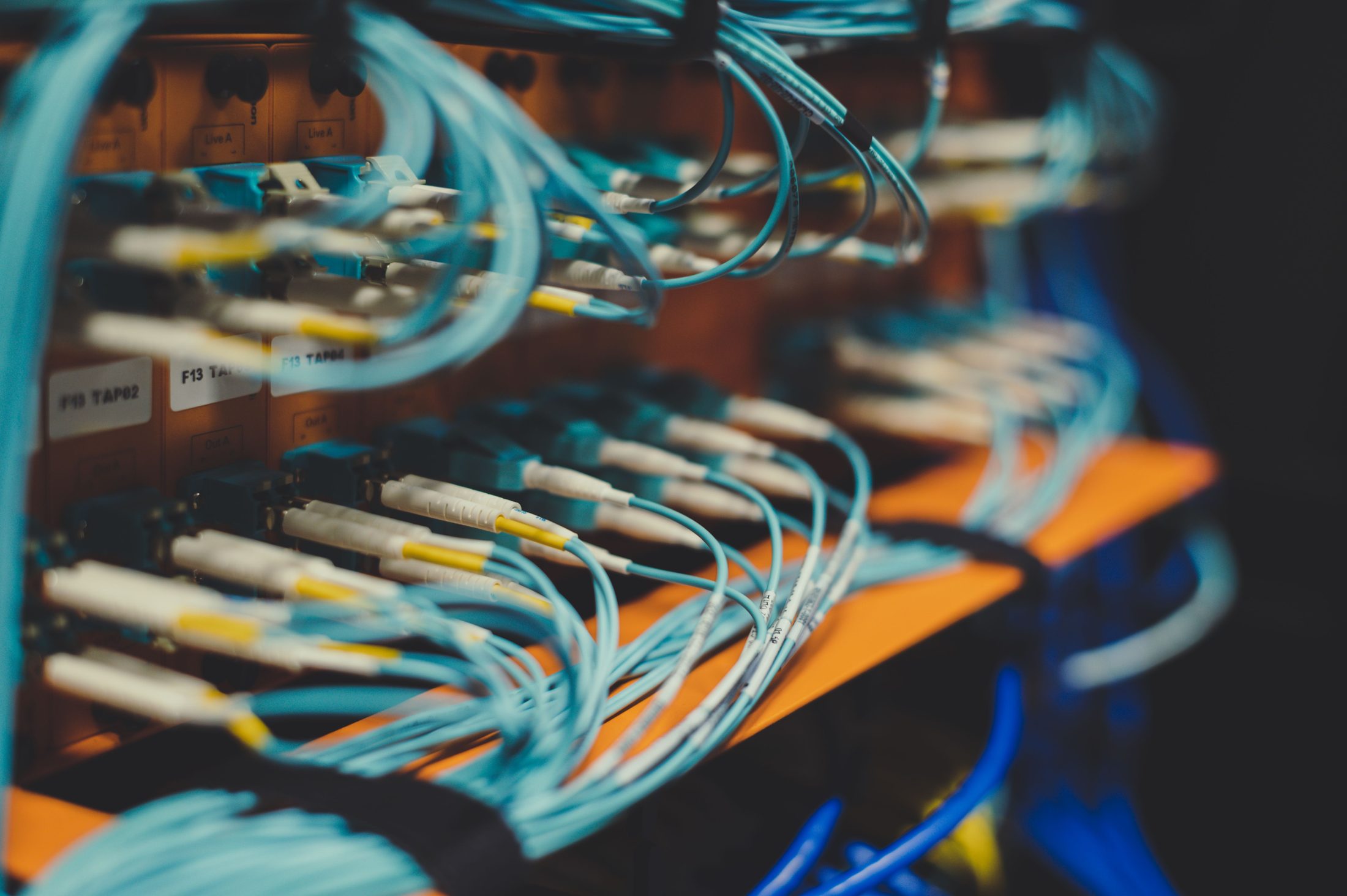
Most modern businesses connect using a SIP trunk (a virtual phone line delivered over the internet — see Glossary), which replaces the need for physical copper phone lines entirely; some businesses instead keep traditional PSTN (Public Switched Telephone Network — the classic copper/fiber phone network — see Glossary) or analog lines for specific legacy needs.
Why would a business choose a SIP trunk over a traditional line?
Cost and flexibility. A SIP trunk runs over your existing internet connection, so you’re not paying for and maintaining separate physical phone wiring, and capacity can typically scale up or down without a technician visit — just a configuration change.
Is there ever a good reason to keep a traditional analog or PSTN line?
Yes — some equipment genuinely needs it. Fax machines, alarm panels, elevator phones, and some older payment terminals are often still analog-only, and certain regions or buildings may have infrastructure constraints that make a hybrid approach the practical choice, at least for those specific devices.
What are “channels,” and how many do I need?
A channel is one simultaneous call’s worth of capacity on a line — see Glossary. If your business needs to handle 8 calls at once, you need at least 8 channels of capacity, regardless of how many employees or extensions you actually have.
What about older digital lines like PRI or BRI?
PRI and BRI (older business-grade digital phone lines — see Glossary) are still in service at many existing businesses. If you’re currently on one, migrating to SIP trunking is usually straightforward and typically reduces ongoing line costs — see Migrating From Your Current Phone System.
Can I mix SIP trunking with a few remaining analog devices?
Yes — this is extremely common. Your main call capacity runs over SIP trunking, while specific analog devices connect through a small adapter. See Connecting Analog Devices.